Expert Wildlife Elimination Solutions for Your Home
Professional wildlife removal services serve an essential role in managing unwanted animal intrusions in homes. These experts bring expert expertise and equipment to effectively evaluate and manage various situations. They prioritize both safety and ethical treatment, ensuring a comprehensive approach. However, understanding the dangers of wildlife in residential spaces and the common invaders is vital. What strategies can homeowners implement to protect their living environments? The answers may be more surprising than one might expect.
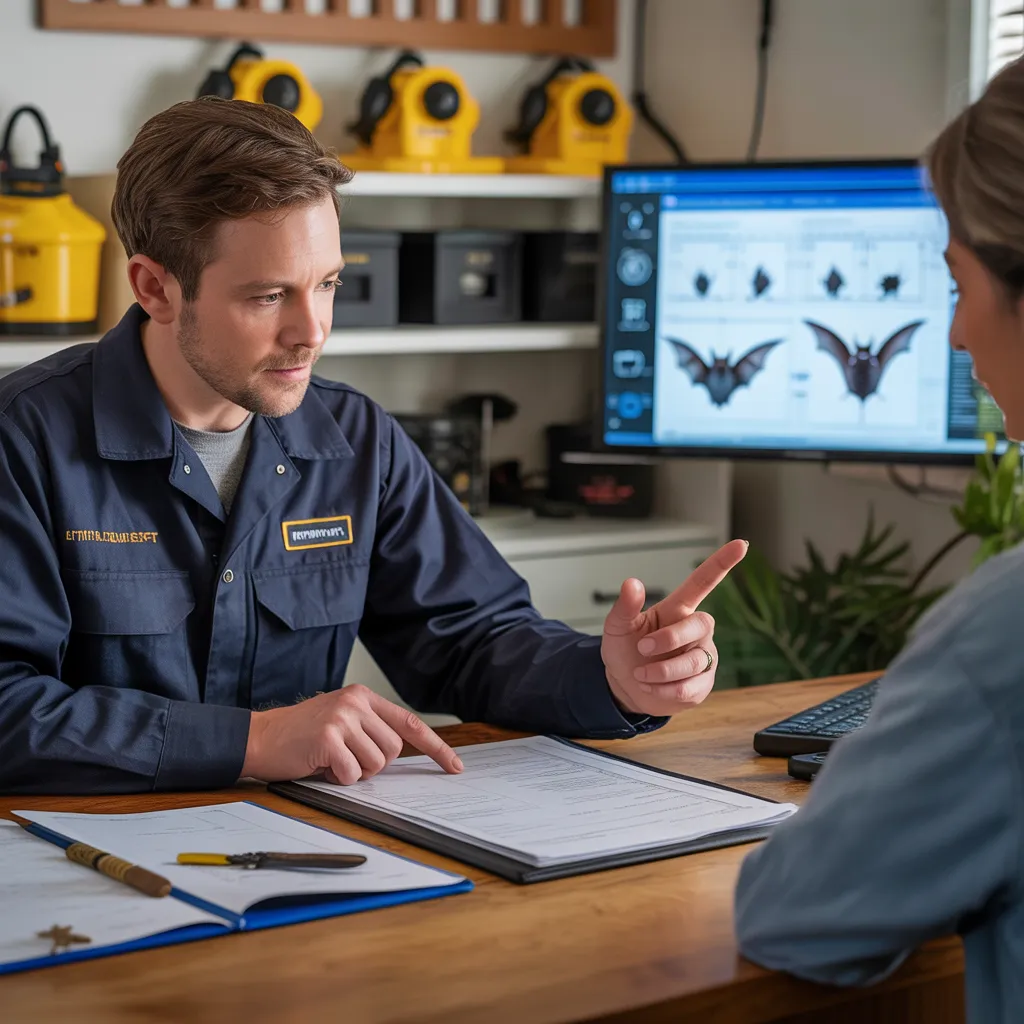
Comprehending the Problems of Wildlife in Your Home
Wildlife in the house poses major risks that many homeowners may underestimate. Uninvited animals can cause extensive property damage, leading to costly repairs. For copyrightple, rodents can gnaw on electrical wiring, raising the risk of fires. Also, their droppings may pollute food and surfaces, causing major health dangers.
Additionally, animal life can bring in pest organisms, like fleas and ticks, which can harm both humans and pets. The occurrence of larger animals, like raccoons or deer, can also cause aggressive encounters, jeopardizing residents.
The nesting behaviors of different animals may create structural issues, as they can obstruct ventilation or create entry points for additional pest invasions. Moreover, many homeowners are unfamiliar with the legal regulations surrounding wildlife removal, which can complicate efforts to handle pest problems. Recognizing these dangers is essential for preserving a safe and healthy living environment.
Discovering Ordinary Animal Invaders in Your House
Identifying typical wildlife intruders is essential for keeping a secure and healthy home environment. Rodents such as rats and mice typically look for shelter inside, whereas nocturnal pests like raccoons and opossums can inflict serious damage if they manage to enter. Homeowners can take prompt action to prevent infestations by identifying the signs of these intruders.
Standard Rodent Intruders
While many homeowners may not realize it, common rodent intruders such as mice and rats can present significant threats to both health and property. Mice, typically smaller and more agile, can readily enter homes through small gaps. They often make their homes in walls, attics, or basements, resulting in potential damage and contamination. Rats, on the other hand, are bigger and more damaging, able to gnawing through wiring and insulation, which may cause expensive fixes. Both species are known for carrying diseases, such as hantavirus and leptospirosis, rendering them a serious health concern. Proper identification and prompt action are crucial for effective rodent control, safeguarding both the home and its occupants from their harmful impacts.
Evening Pest Identification
In what ways can property owners effectively detect signs of night pests that might invade their living areas? Recognizing these unwelcome visitors usually starts with noticing unusual noises at night, like scratching or scurrying. Typical night-active pests include raccoons, opossums, and various rodents. Homeowners should search for droppings, chew marks on wires or furniture, and claw marks near entry points. Moreover, nests found in attics or basements can indicate an infestation. Odd odors may also point to the presence of these pests. Staying alert to these signs enables homeowners to promptly deal with possible wildlife problems, reducing damage and health risks from infestations. Professional wildlife removal services can help with the detection and safe removal of these nocturnal intruders.
Primary Advantages of Contracting Wildlife Removal Experts
Hiring animal control professionals offers numerous advantages for homeowners dealing with unwanted wildlife invasions. First and foremost, these professionals possess expert knowledge and specialized experience, enabling them to recognize different animal types and comprehend their habits. This knowledge ensures that the correct removal methods are employed, minimizing risks to both humans and animals.
Additionally, animal control experts frequently use advanced tools and techniques that work better than DIY approaches. Their training prepares them to manage potentially dangerous circumstances safely, reducing the risk of injury or property damage. Additionally, professionals can provide valuable advice on preventing subsequent pest problems, addressing entry points, and establishing long-term solutions.
To summarize, many wildlife removal services prioritize ethical treatment approaches, aligning with moral standards while protecting the home environment. Through hiring experts, property owners can establish a thorough, efficient, and responsible approach to wildlife problems, fostering peace of mind and a secure environment.
Humane Animal Removal Practices for Your Home
Wildlife removal specialists emphasize humane techniques to tackle animal invasions effectively. These approaches prioritize the well-being of the animals while ensuring the protection and well-being of homeowners. For copyrightple, experts often use live traps to capture animals without causing harm, allowing for safe relocation to appropriate environments. Additionally, exclusion techniques concentrate on blocking access areas to prevent future intrusions rather than injuring the wildlife.
Experts also suggest habitat modification, which includes altering surroundings to make them less attractive to unwanted animals. This can include securing trash, eliminating food supplies, and maintaining landscaping to deter wildlife. Learning is essential as well, with experts providing guidance on harmony approaches that reduce tension. Overall, ethical animal control methods not only resolve immediate issues but also promote a respectful relationship between humans and local wildlife, ensuring both can flourish in shared spaces.
Tips for Selecting the Appropriate Wildlife Removal Service
Picking the suitable wildlife removal service needs careful consideration of several key factors. It is vital to copyrightine the qualifications and licensing of the service, as well as evaluate their experience and expertise in the field. Furthermore, comparing the service options offered can help ensure that the chosen provider meets specific needs effectively.
Verify Qualifications And Certifications
How can one ensure they are selecting a competent wildlife removal service? The initial stage involves checking the qualifications and licensing of prospective companies. Proper licensing indicates that a service adheres to regional laws and professional guidelines, ensuring a degree of expertise and responsibility. Certifications from established animal control associations can further validate knowledge. Additionally, verifying liability protection is essential; it safeguards both the property owner and the service provider in event of accidents or damages throughout the removal process. Potential customers should request documentation of these credentials in advance. By prioritizing qualified and credentialed experts, property owners can greatly reduce the likelihood of inadequate or harmful wildlife removal practices. This careful vetting creates
Review Experience And Expertise
After confirming the qualifications and licensing of wildlife removal services, the next key aspect to consider is their experience and skill. A well-established provider is more likely to handle different wildlife situations effectively, minimizing risks to both property and inhabitants. It is essential to inquire about the amount of years the service has been operating and the kinds of wildlife they specialize in removing. Additionally, checking for customer testimonials or case studies can offer insight into their problem-solving skills and success records. study Experienced professionals often stay updated on the latest removal techniques and safety protocols, guaranteeing humane and efficient solutions. Ultimately, choosing a service with proven experience can result in a more satisfactory resolution of wildlife issues.
Determine Service Options Presented
What available services are provided for animal removal, and how can they influence the selection of a provider? Multiple options include humane trapping, exclusion methods, habitat alteration, and damage repair. Each approach addresses specific wildlife issues, and understanding these can assist homeowners in choosing the right provider. For instance, humane trapping concentrates on safely relocating animals, while exclusion techniques stop subsequent infestations by sealing entry points. Additionally, some providers provide continuous maintenance programs to guarantee sustained protection. Evaluating the variety of options enables homeowners to align their requirements with a provider's expertise, assuring effective and sustainable solutions. Ultimately, the best selection depends on matching service offerings with personal situations and desires.
What Happens During Wildlife Removal?
During animal control, experienced experts evaluate the situation to identify the optimal method for safely and humanely handling the intrusion of animals. This first evaluation encompasses identifying the type of animal, the extent of the infestation, and potential entry points into the home.
Once the evaluation is concluded, the professionals develop a tailored plan that prioritizes the security of both the fauna and the residents. They may use traps or exclusion techniques to capture or deter the wildlife without causing injury.
In many cases, technicians also provide guidance for preventing additional pest problems, such as sealing entry points or disposing of food materials. After the removal, the area is disinfected and maintained as called for to decrease the risk of further wildlife intrusion.

Often Requested Questions
What is the typical price of animal removal?
Wildlife removal expenses typically range from $100 to $1,500, based on variables like the animal species, the severity of the invasion, and the difficulty of the extraction procedure required for safe and humane extraction.
Do Pest Control Services Operate 24/7?
Many animal removal services run 24/7 to tackle pressing situations. Service availability can vary by company, but most aim to provide prompt assistance, ensuring that homeowners can get help whenever wildlife problems arise unexpectedly.
What Should I Do Before the Removal Team Arrives?
Prior to the removal team arriving, the homeowner should keep pets inside, remove food sources, and close off access points. It's also recommended to document any wildlife activity and notify the crew of specific concerns.
Can I Prevent Wildlife From Entering My Home?
To prevent animals from entering a home, one should close openings, protect vents, and safely keep food. Frequently inspecting the property for entry points and preserving a neat yard can further discourage potential unwanted visitors.
Are Warranties Offered From Wildlife Removal Services?
Animal removal services often offer assurances regarding their services, making certain that any extracted animals will not reappear. These promises can vary in conditions and duration, depending on the particular service and the circumstances.